Searching for Sustainability
I watch as the morning light comes in through the east-facing window. I am about to leave this place, again. For the past few months, I have been living in a short-term rental in St. Pete, Florida, while completing my capstone project– the culminating research project required to earn my master’s degree in sustainable management. During that time, everything has changed.
I have lost relationships; my partner and I split. My friendships changed. Our lives had moved forward in different directions—separate threads in our stories. My cat, my companion for 17 years, passed away. Anything that needed to be removed from my life has been.
The world I came home to was not the world I left. When I arrived, everything seemed foreign. Society was set at a faster pace than I was. People rushing back and forth, wrapped up in their individual bubbles – to make money, to achieve the things. I was noticeably clocking at a slower pace, and the rhythm around me felt harsh, abrasive even. I had gotten used to the closeness of community and my own bubble of comfort and stillness. The collective movement of walking the street or riding on public transport in other countries was noticeably different from interactions here – more distant and separate. The culture shock was real.
It was Christmas time when I got home, and establishing a routine didn’t happen right away as the season's activities began – buying presents, attending holiday parties, and making plans for Christmas Day. Writing took a backseat to my reintegration into American life. My travels changed my fundamental outlook on living, and even the basic task of going to the grocery store was difficult. So much of our food is premade, processed, and contains added chemicals. I started making soups at first, as I didn’t know what to buy. Finding whole, nutritious food is not an easy task here. Not to mention, expensive. When did just feeding yourself get so unaffordable?
To add to the pressure I felt building in conforming, my capstone project now became a monster lurking around the corner. The mountain of research and data I had collected seemed insurmountable and unapproachable. Where did I even begin? However, little by little, I made space through the practices that had become routine during my travels. I set up my desk and made a cozy sanctuary within my house, a place that was mine and where I felt grounded. I created a meditation space, lit incense, and decorated it with photographs and objects that brought me comfort. I went to the library and checked out books related to sustainability, communication techniques, and spiritual practices. I slowly rebuilt a life that seemed to be starting from scratch.
In an effort to save my relationship, I learned Buddhist loving-kindness meditations and mantras. What I intended to use as a life raft for my relationship, which ultimately failed, ironically became the practices that helped me empower and save myself during the fallout. I journaled, spent time in nature, explored community meditations, tried different yoga classes, and gradually established a routine. I dove into my recovery and attended new meetings. Finding a tribe of like-minded people naturally followed.
Now came the project. Facing the heaps of data and research material was daunting, to say the least. Eventually, but not without much discomfort, perseverance, and immeasurable support from others guiding me through the process, the writing came. When I asked for help, help appeared. Sometimes it came in the form of something shared or a recommended book that helped me start writing. I felt deeply supported and guided through a process that was isolating, confusing, and often discouraging.
The search for sustainability has been more than just changing world systems; it has been about discovering inner balance and peace. It's a journey that will continue as long as I live. As I finish this chapter of my life and earn a hard-fought degree, I reflect on what I have learned during my travels.
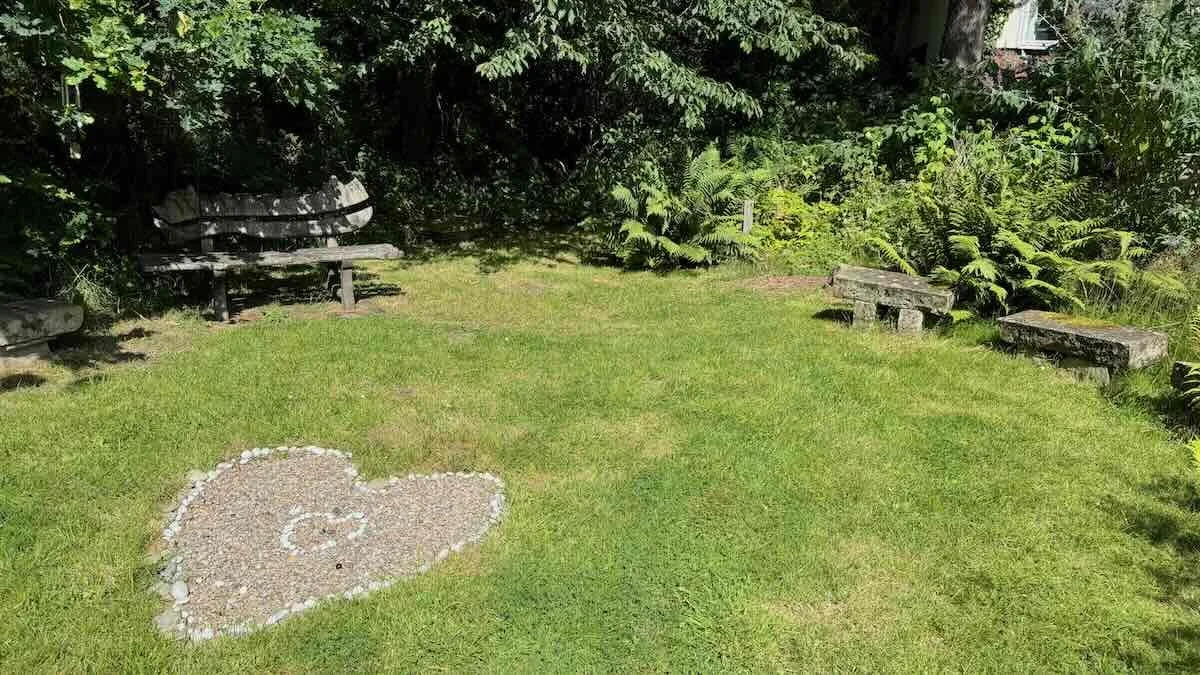
While living in the Ecovillage Findhorn, Scotland, a beginning of internal exploration was established through a foundation of understanding and openness. The story of this community’s resilience, adaptation, and renewal inspires many who call Findhorn home and return year after year. Coined as a “City of Light” by co-founder Eileen Caddy, the ecovillage remains a model of how communities can endure through both triumphs and losses. What struck me at Findhorn was not only the strong connection to nature but also how people work together to navigate conflict and disagreement, willing to reimagine their community's future. From council meetings to dinner tables, I learned that sustainability is as much about governance and relationships as it is about green technology.
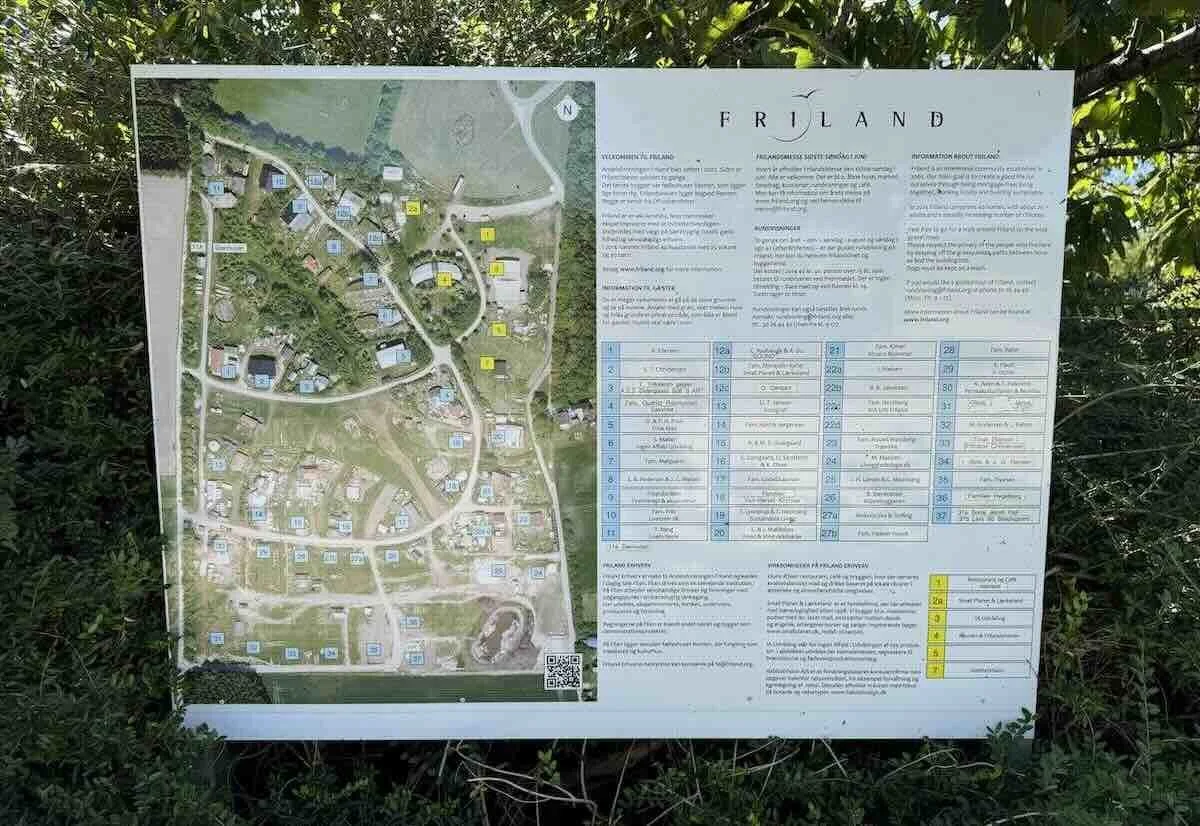
Friland, an ecosociety located within the national park of Mols Bjerge on the eastern Danish peninsula of Jutland, gave me a glimpse into Danish culture that emphasizes personal accountability and social responsibility. I learned that pursuing a personal dream can still involve rational thinking, self-awareness, and consideration for the world around you. I also observed community-wide support and the value of serving your neighbors. Shared resources, off-the-grid energy, and waste systems ease the weight of individual responsibilities and foster collective care. However, I recognized that no system is perfect, and problems can arise in human interactions regardless of one's location. Talking with members of the Ecovillage Grobund, a short distance from Ebeltoft, Denmark, taught me that continuous evaluation and feedback are essential to keeping systems functional for everyone – community is not an endpoint but a constant effort and practice.
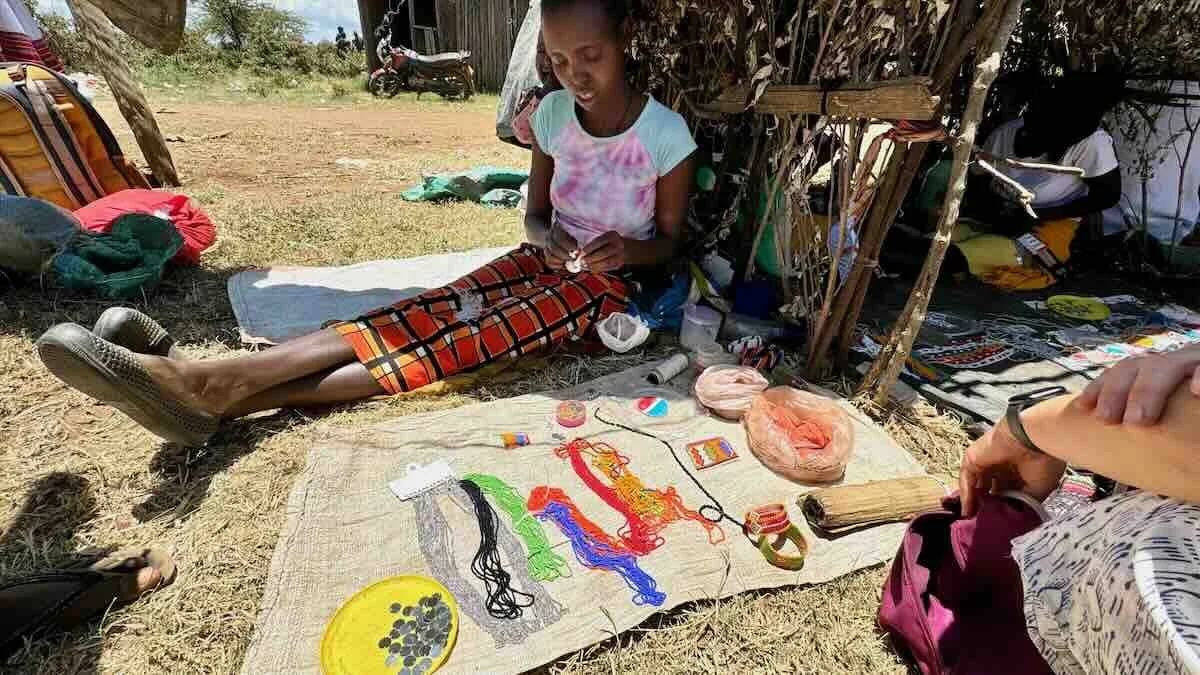
My experience volunteering with Sadhana Forest Kenya, a community-led food forest project in Samburu County, Kenya, juxtaposed scarcity with abundance. While food and resources may have been scarce, the sense of fulfillment from a lifestyle rooted in care was always plentiful. The lives of the Samburu people are inextricably tied to the land, highlighting our vital bond with Earth, which reminded me of my own attachment to home. For the Samburu, relationships are valued more through shared experiences than blood ties, and the principle of mutual exchange sustains a collaborative way of life. It also reminds me that connecting with others is a privilege and something worth nurturing.
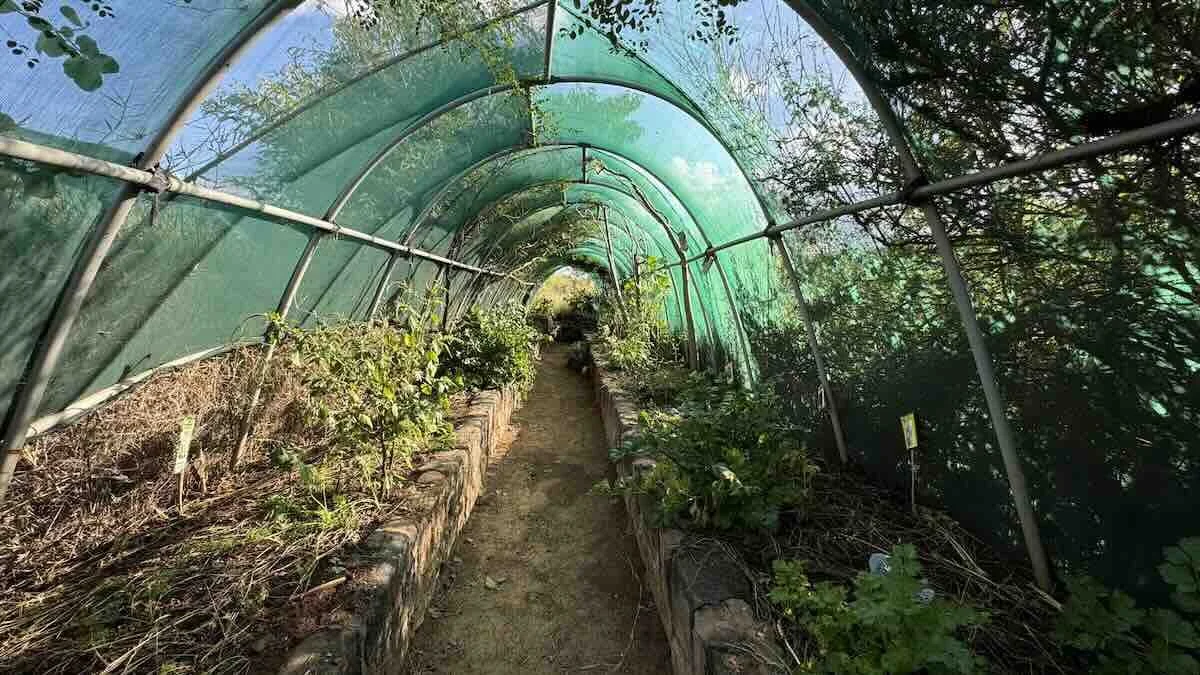
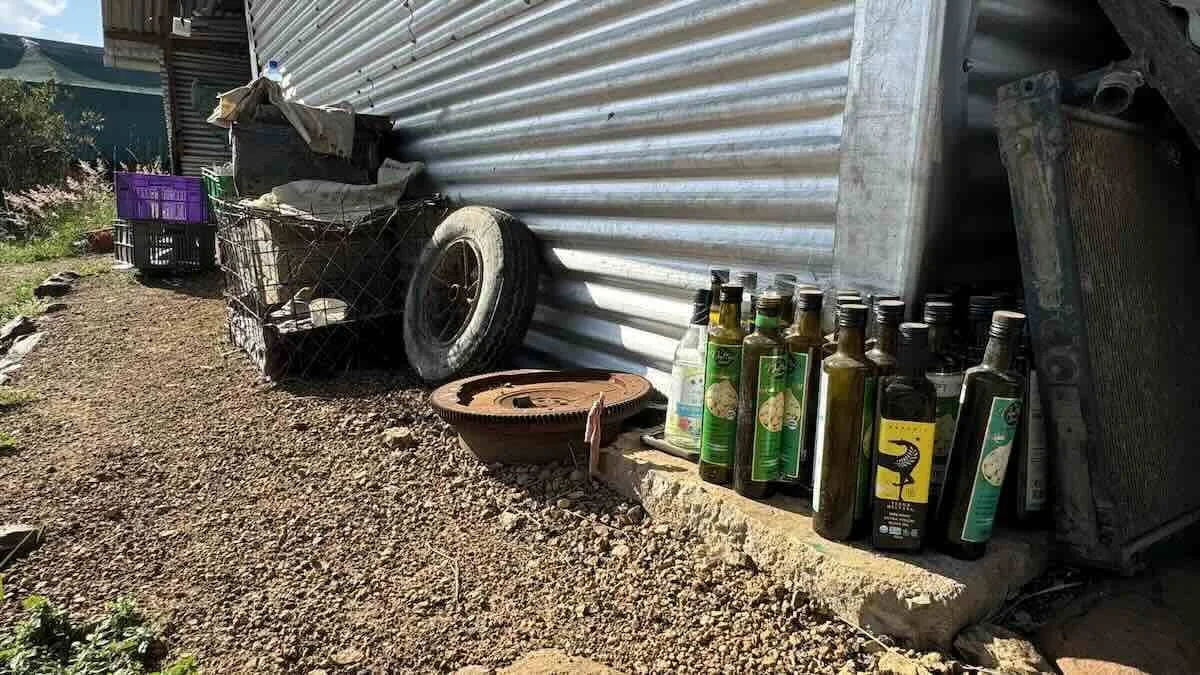
While traversing Italy, storms were brewing both inside and out. I faced disruptions not just at the farms I visited but also within myself. Larger patterns of global instability – unpredictable weather, collapsing support systems, and rebuilding after devastation – mirrored the fragility I felt inside. What started as an exploration of organic farming and its dependence on climate turned into a lesson in resilience. It tested my sobriety, as instability in my personal life paralleled the unpredictability of my surroundings. The absence of community was deeply felt, and I understood that facing difficulties is easier when done together. However, it was through these breakdowns that I realized resilience isn't just about enduring hardship but also knowing when to step back to protect yourself. Ultimately, Italy taught me that sustainability also includes recovery, which requires courage, patience, and the willingness to draw upon inner strength to rebuild.
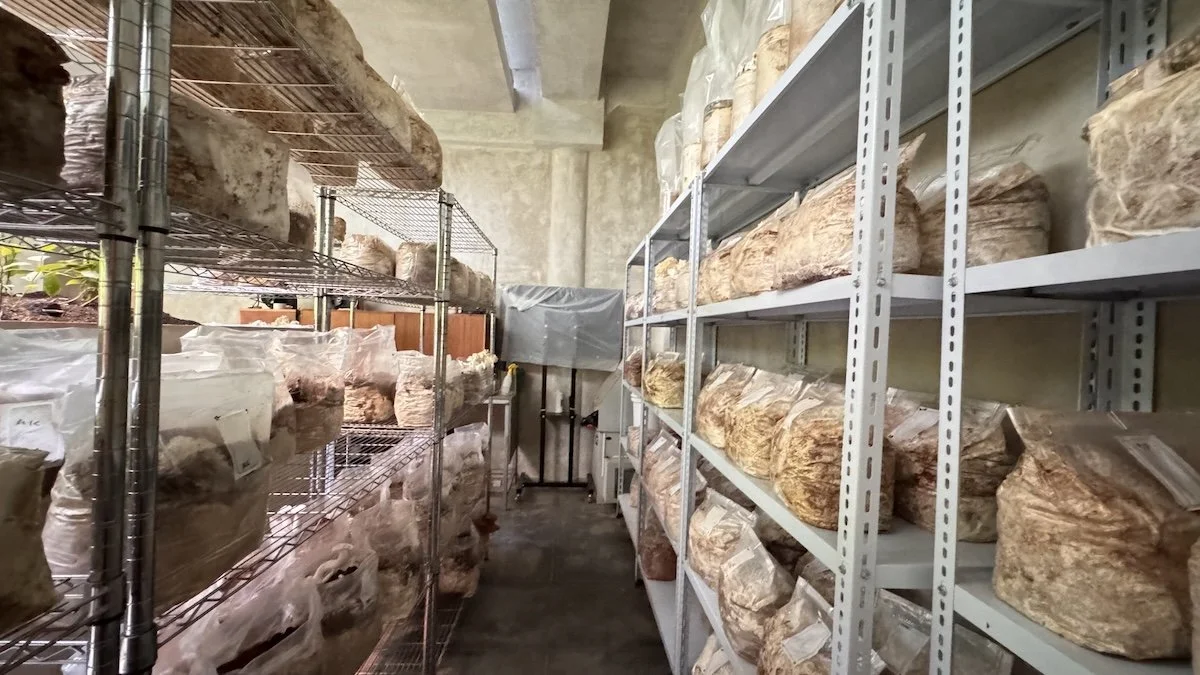
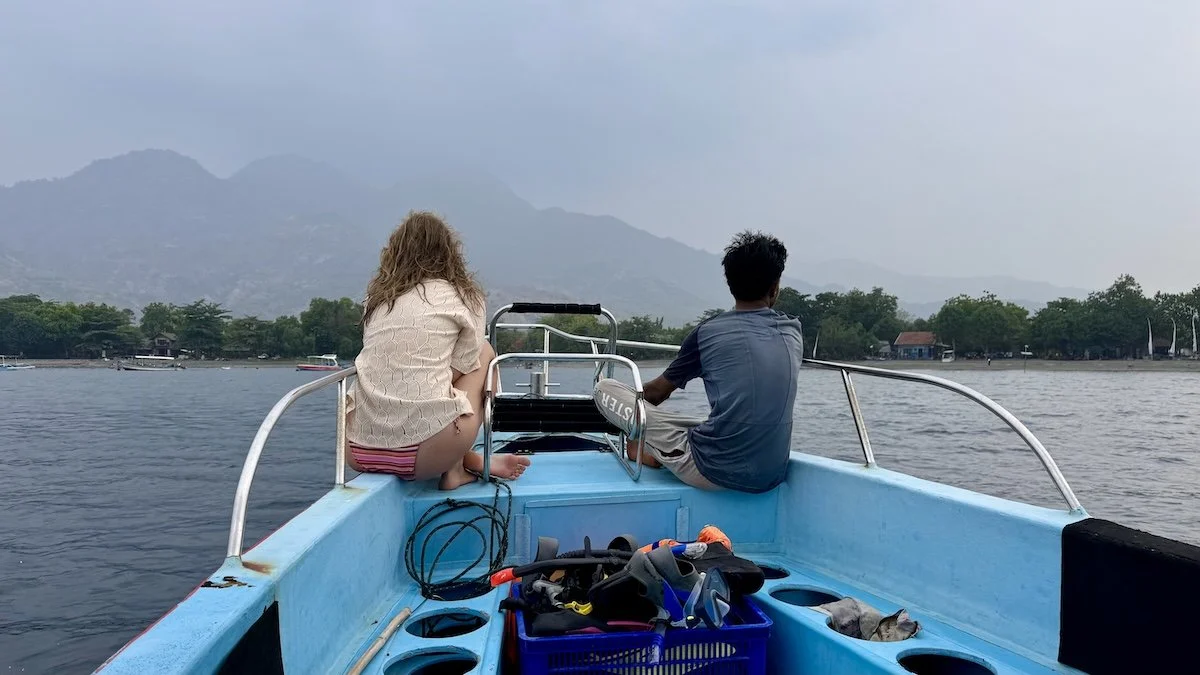
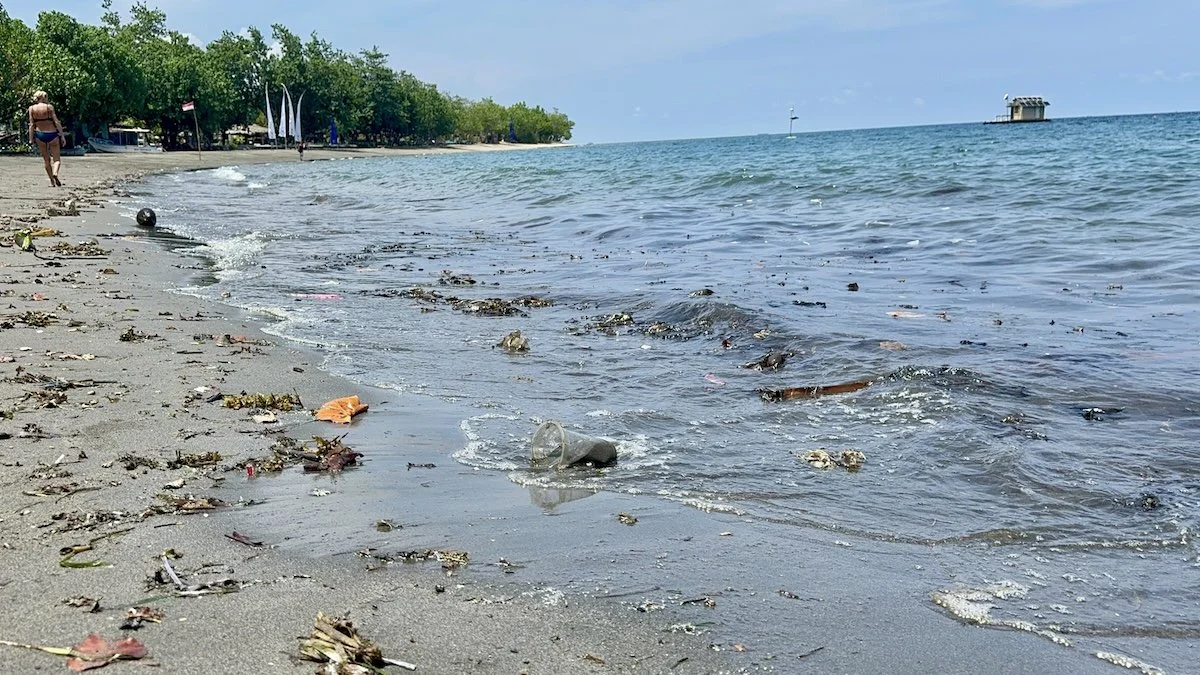
My time in Pemuteran, Bali, brought all my lessons together, forming a unique immersive experience. As a participant of an Ecovillage Design Education course provided by Gaia Education and the Global Ecovillage Network helped me see how ecology, economy, culture, and spirituality intersect. While sustainable infrastructure is crucial, it's just as essential to create space for emotional and relational growth. Living with others, especially with those from different backgrounds, means listening without judgment, observing, and trusting the process. Living within community in Bali showed me that joy and grief can coexist, and relying on others and this planet for support brings stability, not weakness. Even in moments of confusion, I could be myself, knowing I was cared for—an attitude I learned to share with others. Caring for the Earth is reflected in the reciprocal act of showing love to one another.
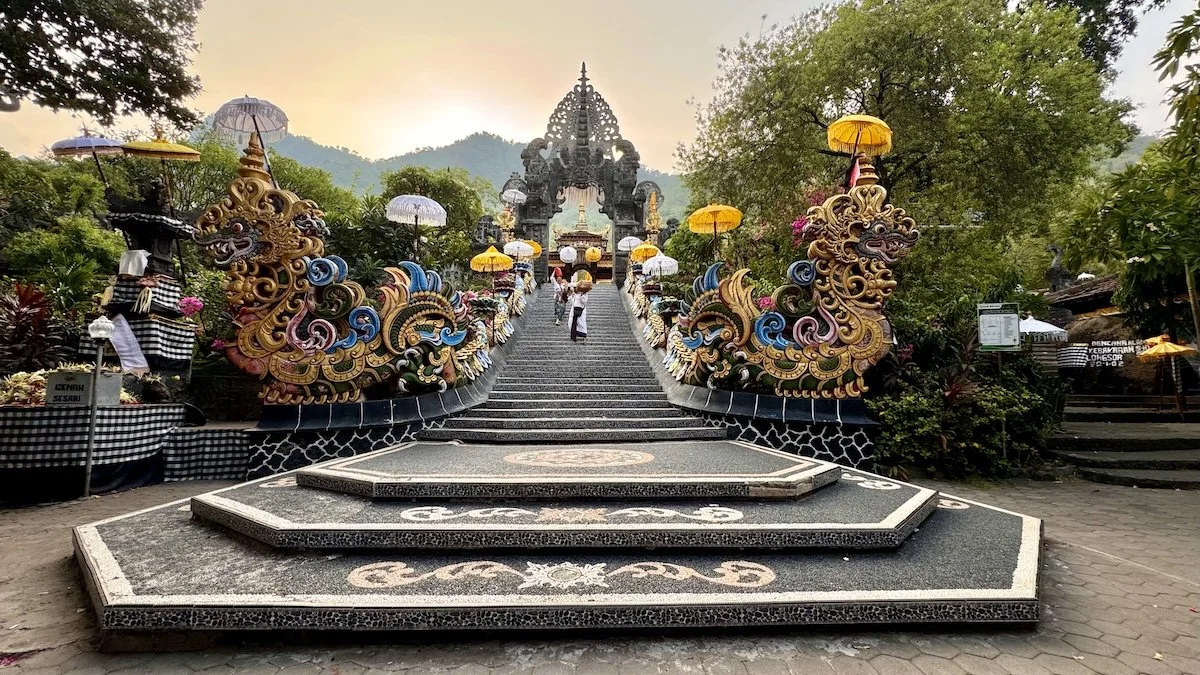
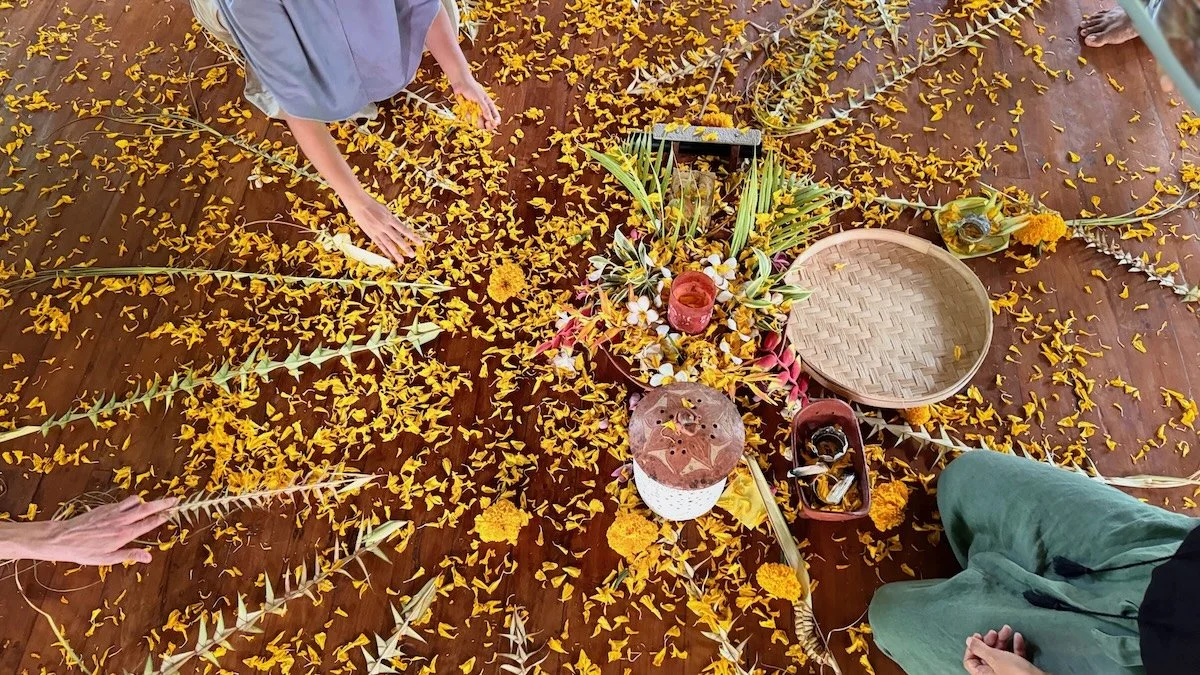
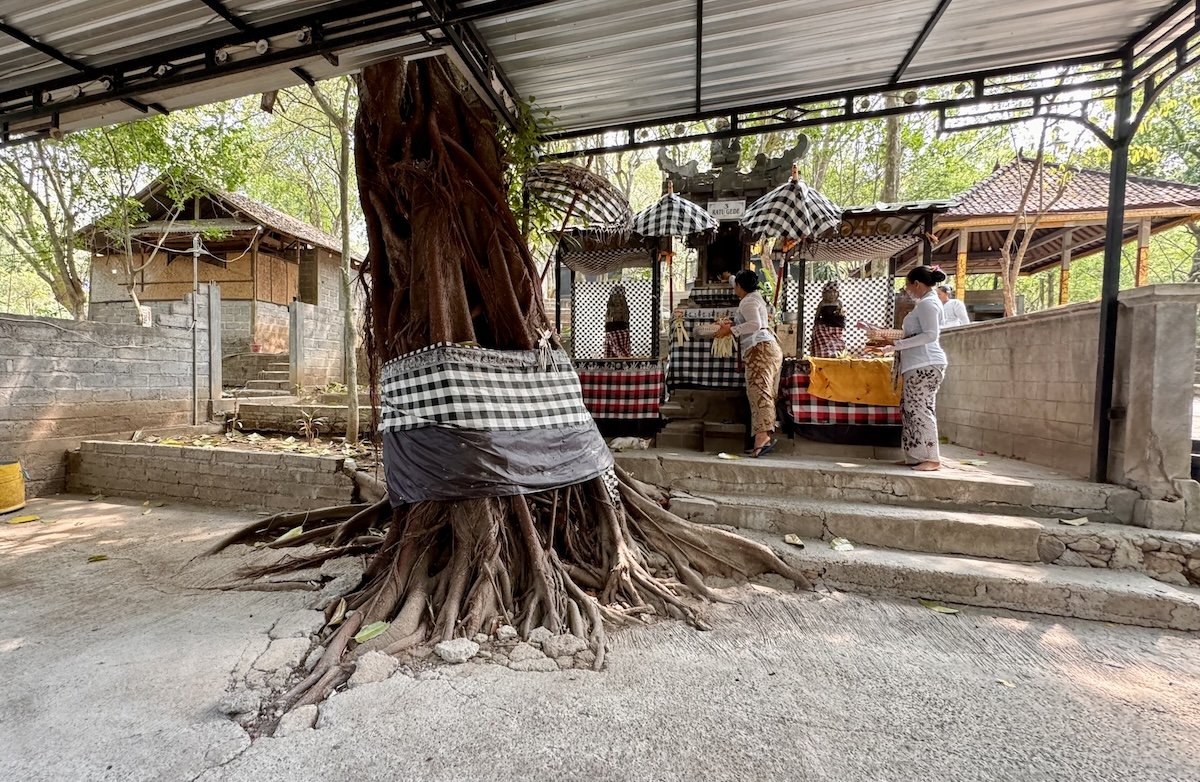
Lastly, what I found most impactful during my travels was the indispensable, yet noticeably absent, focus on a worldview dimension in Western sustainability practices. The word “spirituality” may come with a stigma or seem irrelevant to many, but ignoring its usefulness for survival does our society a great disservice. In the words of former United States Surgeon General, Dr. Vivek H. Murthy, “The fracturing of community in America is driving a deeper spiritual crisis that threatens our fundamental well-being” (2025). Communities have thrived through cultural traditions and faith since the beginning of human existence. Why would we choose to ignore it now when the gap in our connection to each other grows ever wider?
The concept of worldview takes the social dimension of sustainability one step further by providing a deeper level of cultural resilience. Developing contemplative practices, such as self-reflection or meditation, and engaging in work that challenges myopic viewpoints, offers a way to transform one's consciousness. When applied collectively, activated mindfulness enhances leadership skills and has the potential to shift values toward systems that recognize the interconnectedness of all things. From this perspective, more integrated and effective solutions to sustainable issues can be created.
Living in different communities – from small, compassionate experiments in intentional living, to established ecovillages – tested my internal capacity and pushed me beyond my comfort zone. Each, in its own way, showed me how safe spaces are created and where opinions can be shared without judgment. New ideas are encouraged in these places, which allows innovation to take hold. For these reasons, the alternative lifestyles I experienced offer more communal support than mainstream society and serve as sources of inspiration for the outside world.
So where do we go from here?
Needless to say, we have work to do. To start, better communication with each other is vital. As humans, we are incredibly adaptable and social creatures. When we invest our energy in forming authentic connections with others, regardless of their background, our relationships are guaranteed to improve.
Like many sustainability projects that began as grassroots efforts, adjusting our interactions can follow a similar path. An attitude of openness can start with the smallest human exchanges, from holding the door open for someone to engaging in conversation with the person behind the counter. This practice trickles up from individuals through communities, reaching into our homes, our neighborhood associations, city halls, and beyond. When we start talking and connecting instead of pushing away, more sustainable solutions naturally emerge.
Looking ahead, I see that the journey is not over. Instead, a door to a new path has just opened. The capstone may be complete, but the work of living sustainably, in every sense, is an ongoing process – not a final destination. As for my search for home…that quest is still unfolding. I had to go as far away as I could to understand that place is as much connected to the people as the people are connected to the place. You can't separate one from the other.
I don't know exactly where my path will lead, but it involves integrating what I have observed abroad with the needs here at home. The challenge now is not to run away, but to dig in and create spaces of belonging, together with others. Since returning, I have planted seeds from my travels in familiar soil, trusting that with time and care, they will flourish. It is said that a tree’s roots grow as deep underground as its canopy grows tall above. We just don’t see the hard work happening beneath the surface.
The light coming through my window falls the same way it always has, but I am no longer the same. My recovery has shown me that transformation is achieved through small daily actions. Sustainability is no different. Both require humility, willingness, and community support. Both involve returning again and again to what matters most, even when it’s easier to turn away.
What matters most now is nurturing our shared ground and living peacefully together on this beautiful Earth.
Reference: Murthy, V. H. (2025, January 7). My parting prescription for America. https://www.vivekmurthy.com/partingprescription